Arima Fentag: A Maker’s Review of This Gothic Display Font
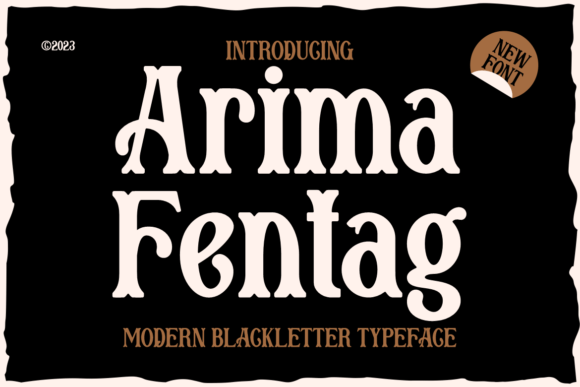
I was sitting at my workbench, surrounded by half-finished candle jars and a stack of kraft paper labels, trying to find the perfect typography for a new seasonal collection. The scent of beeswax hung in the air as I scrolled through my library of Fonts, searching for something that felt both historic and luxurious. That is when I stumbled upon Arima Fentag. As a Display typeface designed with an old, fancy aesthetic, it immediately caught my eye. Arima Fentag is an old, fancy font with two parts to each letter, giving it a unique structural depth that standard scripts simply cannot match. It has a classic, decorative style called blackletter, which looks like old Gothic or medieval writing, instantly transforming my simple label mockups into pieces of art that felt centuries old yet perfectly modern for my boutique shop.
Arima Fentag for Vintage Candle Labels and Product Packaging
When I first applied Arima Fentag to a set of soy wax candle labels, the difference in perceived value was immediate. Because Arima Fentag is an old, fancy font with two parts to each letter, it creates a visual texture that mimics the look of hand-carved woodblocks or engraved metal. For handmade sellers relying on Display Fonts to elevate their branding, this level of detail is crucial. I tested the font on a small batch of amber glass bottles, pairing the bold gothic strokes with a minimalist sans-serif body text for the ingredients list. The result was a packaging design that screamed "premium" without needing expensive gold foil stamping. The dual-part structure of the letters adds weight and presence, making the product name stand out even from across a crowded craft fair table.
This specific Display Font works exceptionally well for short phrases, brand names, and titles where impact is more important than dense readability. In my testing, I found that Arima Fentag shone brightest when used for the main title on a label, while the secondary information remained in a cleaner typeface. If you are creating packaging for artisanal soaps, small-batch beverages, or luxury candles, this blackletter style provides an instant connection to tradition and craftsmanship. It tells your customer that what they are holding is not mass-produced but carefully curated with an eye for history and detail.
Using Arima Fentag for Wedding Invitations and Stationery Design
Beyond physical products, I explored how Arima Fentag performs in digital stationery, specifically for wedding invitations and save-the-date cards. The font's inherent elegance makes it a natural choice for couples seeking a vintage, rustic, or gothic theme for their special day. Since Arima Fentag is an old, fancy font with two parts to each letter, it brings a sense of formality and grandeur that modern script fonts often lack. When designing a mockup for a wedding welcome board, the thick, ornate strokes of the Fonts created a focal point that commanded attention while maintaining a soft, romantic mood.
However, working with such a detailed Display typeface requires careful planning regarding size and spacing. I discovered that while Arima Fentag is stunning for headlines and couple names, it can become difficult to read if the text is too small or if the kerning is too tight. For invitation suites, I recommend using this font strictly for the primary text—such as the names of the hosts or the event title—and pairing it with a highly legible serif or sans-serif font for the date, time, and location details. This combination ensures that your designs remain beautiful while still being functional for your guests. The contrast between the intricate blackletter style and clean modern typography creates a balanced, professional look that elevates the entire stationery suite.
Arima Fentag for Stickers, Tote Bags, and Merchandise
As a maker who frequently uses cutting machines like Cricut and Silhouette, I was eager to test how Arima Fentag holds up during the weeding and application process. The dual-part nature of the letters presents a unique challenge; because Arima Fentag is an old, fancy font with two parts to each letter, very fine connections between the strokes can be fragile when cut from vinyl or heat-transfer material. On larger items like tote bags, canvas prints, and bumper stickers, the font performed beautifully, retaining its sharp edges and intricate details. The boldness of the blackletter style ensures that the design remains visible and impactful even when viewed from a distance.
For smaller applications, such as tiny bottle cap stickers or intricate planner stickers, caution is advised. The decorative elements that make this Display Font so charming can sometimes merge together if the cut size is too small. I found that increasing the stroke width slightly or enlarging the overall design helped maintain the integrity of the two-part letter structures. When creating merchandise for a shop, whether it is t-shirts, mugs, or wall art, Arima Fentag offers a distinct aesthetic that separates your brand from the sea of generic cursive logos. It appeals to customers looking for something with character, history, and a touch of the mysterious. Just remember to always do a test cut before committing to a full production run to ensure the delicate parts of the letters survive the transfer process.
Pairing Arima Fentag with Modern Typography for Brand Identity
To truly maximize the potential of Arima Fentag, understanding font pairing is essential. Because Arima Fentag is an old, fancy font with two parts to each letter, it naturally demands a partner that does not compete for attention. In my brand identity experiments, I paired this heavy Display Font with ultra-clean geometric sans-serifs and simple slab serifs. The juxtaposition of the medieval-inspired blackletter against stark, modern lines creates a dynamic tension that feels fresh and contemporary. This approach is particularly effective for web design, social media graphics, and editorial layouts where you need to grab attention quickly.
When building a cohesive brand, consider using Arima Fentag exclusively for headers, logos, and accent text. Avoid using it for long paragraphs or body copy, as the complex shapes can strain the reader's eyes over extended periods. Instead, let it serve as the anchor of your visual identity, providing a sense of heritage and authority, while your secondary fonts handle the informational heavy lifting. Whether you are designing a logo for a bakery, a header for a blog about history, or a banner for a fantasy-themed event, this font offers a versatile foundation. By respecting its limitations and leveraging its strengths, you can create designs that are not only visually striking but also commercially viable and emotionally resonant.
Final Considerations for Commercial Use and Licensing
Before integrating Arima Fentag into your next big project, it is vital to review the licensing terms carefully. As a creator selling physical goods, printables, or digital templates, you must ensure that the license covers your specific use case. Since this is a premium Display Font, many creators offer different tiers of licensing for personal projects versus commercial ventures. Check if the license allows for use on products for sale, such as custom-made signs, printed invitations, or merchandise sold on platforms like Etsy. Additionally, verify if the font file includes alternate characters, ligatures, or swashes that could add even more flair to your designs.
Understanding the technical specifications of the font files is also part of the process. Ensure that the formats provided (usually OTF or TTF) are compatible with your design software, whether you are using Adobe Illustrator, Canva, or Procreate. While Arima Fentag is a powerful tool for adding a touch of the past to your modern creations, its success ultimately depends on how thoughtfully you apply it. By treating it with the respect it deserves as a piece of typographic art, you can infuse your handmade business with a level of sophistication and charm that sets you apart. From the first mockup to the final sale, Arima Fentag proves that old-world styles can indeed find a vibrant new home in today's creative marketplace.